In this interview Mary-Anne Tamati shares an account of life during the construction of the Clyde Dam. She reflects on her journey as a self-described ‘dam child,’ growing up in a family that moved between major hydro projects across Aotearoa before settling in Cromwell in 1980.
Mary-Anne shares insights into the experiences of the many families, particularly Māori whānau, who relocated to the area, creating a vibrant and close-knit community. The interview explores the challenges and opportunities that came with this migration, including adapting to a new environment, building connections with local people, and responding to the uncertainties of large-scale construction projects, strikes, and the eventual wind-down of the dam.
A central theme is the importance of cultural identity and community. Mary-Anne describes how Māori traditions were sustained through initiatives such as kapa haka, kōhanga reo, and community events, which helped maintain language, values, and a sense of belonging. She also recounts her long-term contribution to cultural education in the region through teaching and community leadership.
Warm, thoughtful, and grounded in lived experience, this interview provides a valuable perspective on the social and cultural legacy of the Clyde Dam in Central Otago.
Interviewer: Joan Lawrence
Interview Dates: January 2026
The abstract will help you identify what is being said during the interview.
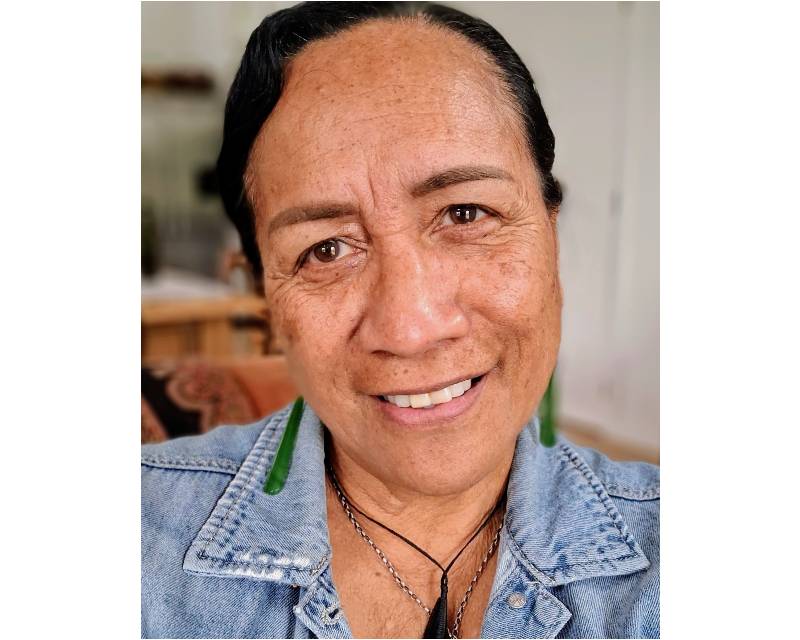
Mary-Anne
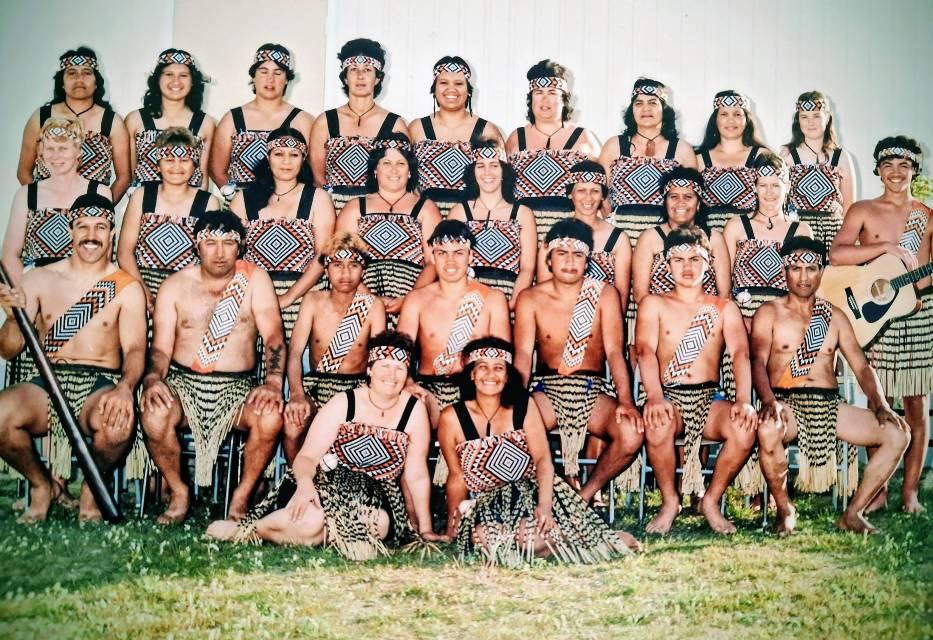
Te Roopu o Kawarau Culture Group
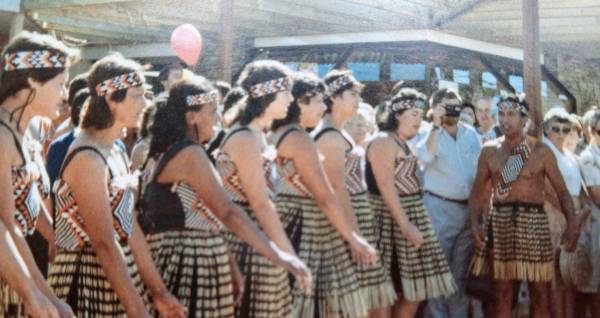
Cultural group opening Cromwell Mall
All rights reserved ©
All rights to the recordings, photos and abstracts on this website, including the rights to copy, publish, broadcast and perform, are reserved. Written permission is required for any use of this material.
Please email [email protected].
OUR SUPPORTERS
Heritage Central Otago acknowledges the generous support from the following organisations:


