Sam Leask is a fourth-generation member of the Leask family to live in the Ophir/Omakau area. He has lived and farmed here all his life and is a goldmine of information about the local community. This extensive interview, conducted by Ross Naylor, covers two main areas. The first focuses on Sam’s family history within the district, exploring both his paternal and maternal ancestry. In the second, Sam discusses the broader Ophir community, recounting who its residents were, their homes, and their occupations.
Part 1: Sam discusses his genealogy, providing insights into both his paternal (Leask) and maternal (Huddleston) family backgrounds and occupations. The interview explores his childhood memories, family celebrations, and the influence of religion, as well as attitudes to smoking, drinking, and discipline at home and school. Sam recalls his early work on the family farm, and the evolution of farming practices, including sheep farming, irrigation, and rabbit control. He details the impact of environmental challenges such as flooding and drought, as well as broader historical events like the Great Depression and World War II. The conversation also touches on his marriage to Irene, the upbringing of their children, and his community involvement through the Omakau Musical Society, the fire brigade, curling, and service as a Justice of the Peace.
Part 2: Sam provides the family background, education, and farming career of his father, John Kenneth Leask, including stories of hardship during the Depression, land acquisitions, and marriage to Betty Isabel Huddleston. Sam then recounts stories of his siblings and their paths. He touches on the engineering, community, and farming achievements of earlier Leask and Glassford generations, and details his great-grandparents migration from Orkney. On the maternal side, the interview addresses the Huddleston and Corrigal families, including stories of immigration, farming, local marriages, military service and sporting achievements.
Part 3: Sam discusses the town’s gold mining origins and the roles of both European and Chinese miners, the development and transformations of key properties and homesteads, and the shifting local economy, particularly dairy and mining. He also details the succession of residents, family connections, and significant events tied to each property, including stories of hardship, community support, and renovations. Sam finishes with some history of the Blacks Hotel, its various owners, and its role as a community hub.
Part 4: Sam covers the history of property ownership and development in Ophir, particularly focusing on the succession of owners and tenants since the late 1980s. The discussion expands to the subdivision of land, notable residents and families, and the evolving use of various buildings including the church, school, stores, and police station. Sam highlights the contributions of key community members like Jim Janik and Bill Daly, recounting their impact on local life. He also explores the area’s gold mining legacy, including details about claims and the role of Chinese miners, as well as the transformation of mining water rights to irrigation.
Interviewer: Ross Naylor
Interview Dates: April 2022
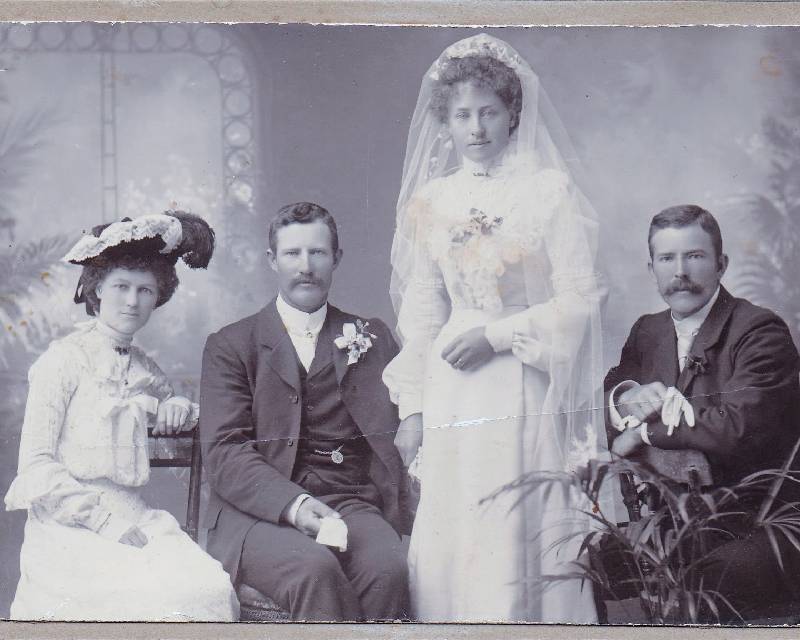
Marriage of John and Minnie Leask (nee Brown) with Sarah Brown and Sam Leask
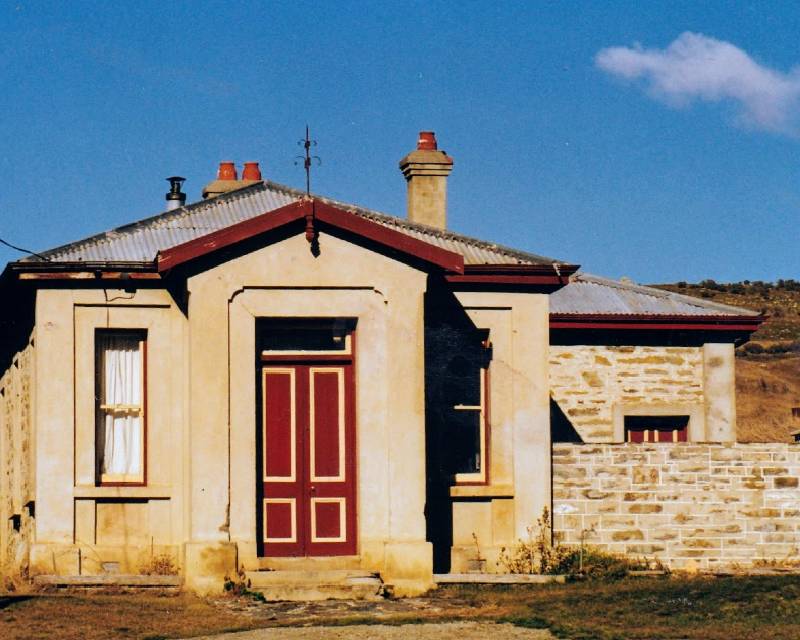
Blacks Courthouse
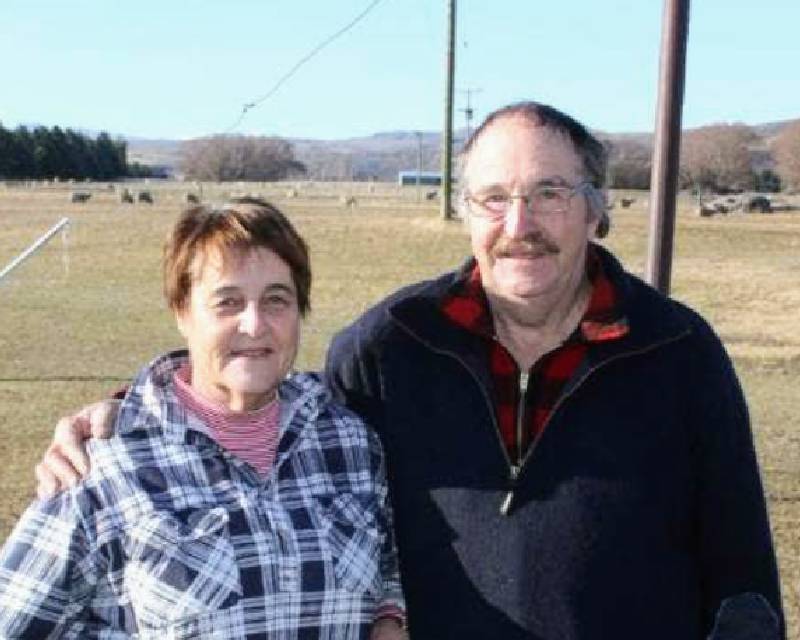
Sam and Irene Leask, 2020
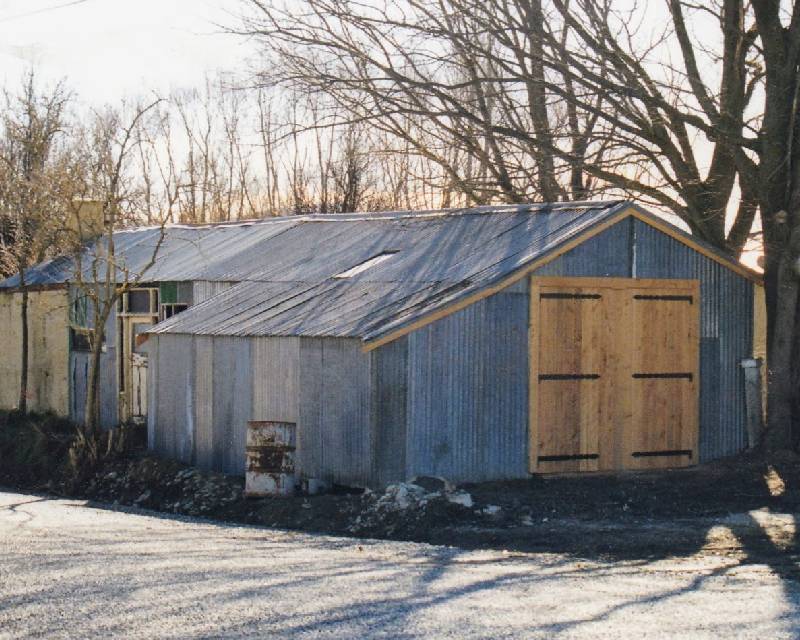
McKnight Bros Blacksmith Shop
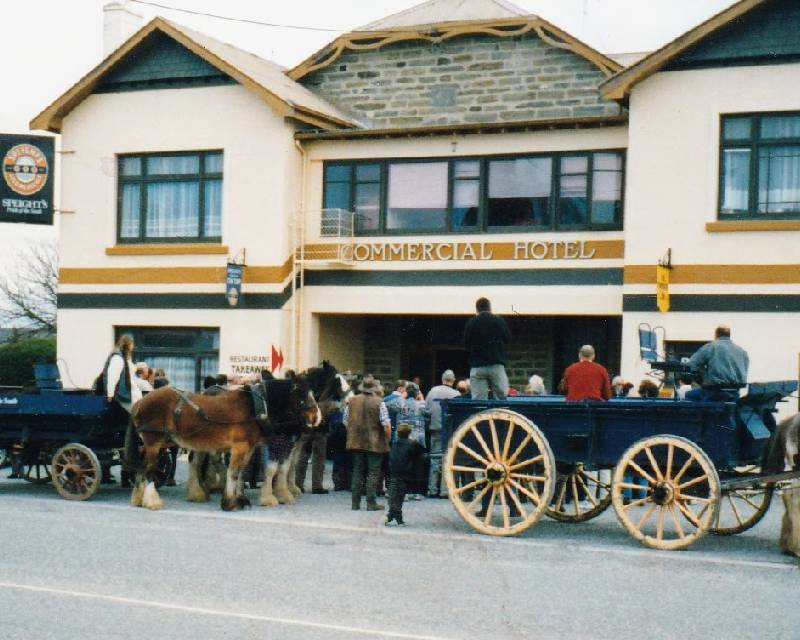
Speights wagon by Commercial Hotel (originally Pomona House), Sept 2008
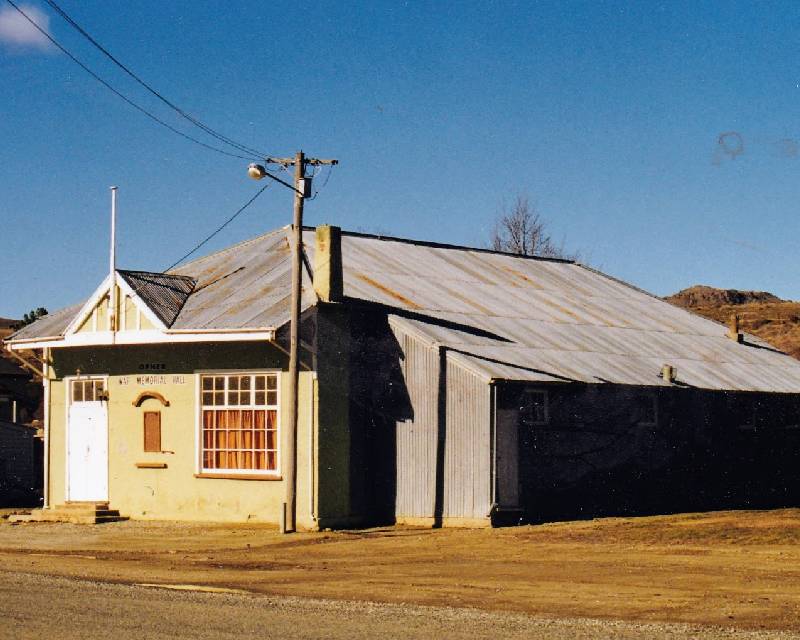
Ophir Peace Memorial Hall built by John McKnight in 1926
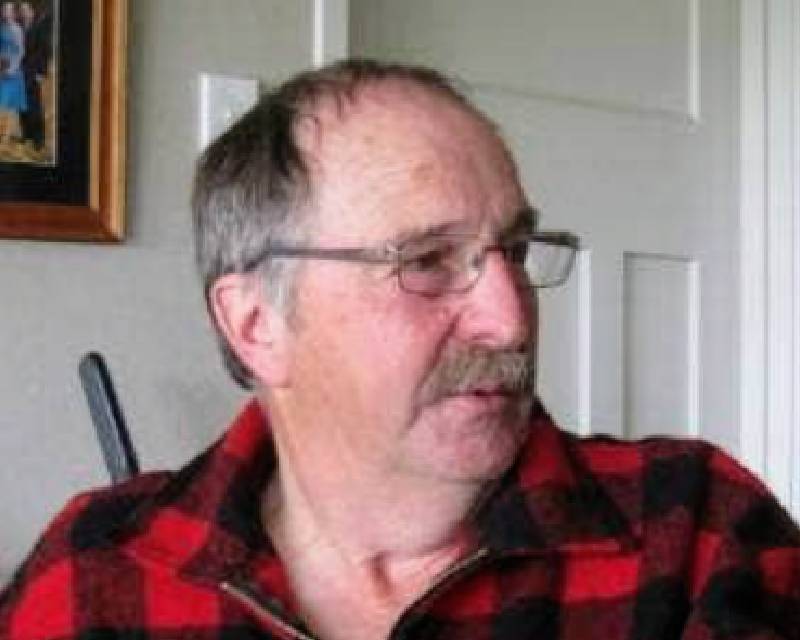
Sam Leask, 2020
All rights reserved ©
All rights to the recordings, photos and abstracts on this website, including the rights to copy, publish, broadcast and perform, are reserved. Written permission is required for any use of this material.
Please email [email protected].
OUR SUPPORTERS
Heritage Central Otago acknowledges the generous support from the following organisations:


